Ankara Bans Protests for 13 Days — While the Summit's Digital Gate Was Open for Months
On June 22, the Ankara Governorate announced a sweeping security order: protests, drones, rallies, press statements, and street gatherings banned from June 28 to July 10 — 13 days. The physical perimeter for the NATO Summit is, by any measure, airtight. If only the same institutional energy had been directed at the digital perimeter — months earlier, when it still mattered.
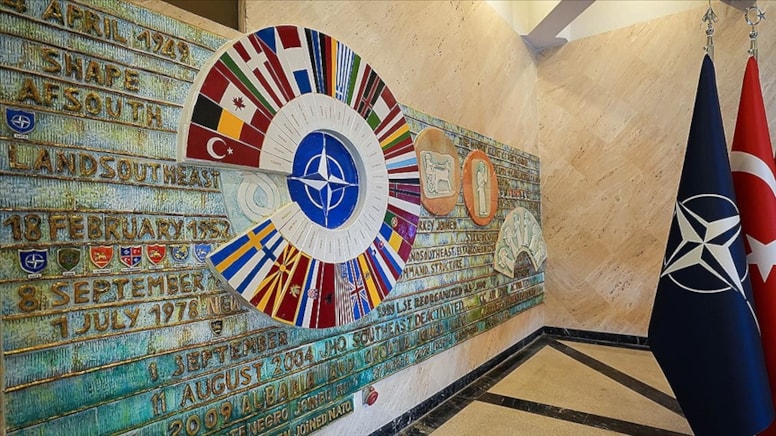
Ankara · NATO Summit 2026 · July 7–8
Ankara Governorate Security Order — June 22, 2026
The Ankara Governorate's June 22 security order is, on its own terms, a serious and professionally executed piece of crisis governance. A thirteen-day window around the summit — beginning five days before the event and extending two days after — covers the full operational exposure period. The drone ban addresses a genuine and documented vulnerability. The restrictions on access to sensitive zones follow standard practice for events of this security classification.
This platform has no criticism of the physical security architecture for the Ankara Summit. It is exactly what it should be.
What it is not — and what no amount of physical preparation can substitute for — is digital security. And that is where the story of this platform begins.
"Months before any drone ban was announced, before any protest restriction was drafted, the summit's primary digital addresses were unregistered and available to anyone — including disinformation networks that have exploited exactly this vulnerability at previous NATO summits. I registered them. I notified the authorities. Three times. The gate needed holding. I held it."
What Was Left Open
When institutions responsible for the 2026 NATO Summit's communications began their work, a basic open-source asset audit would have revealed the following: the domain names and social media handles most naturally associated with the summit — ankarasummit.org, ankarasummit.com, natosummit.org, and their equivalents — were unregistered. Available for purchase by anyone. No official Turkish government body, no NATO communications office, no allied institution had secured them.
This is not a technical oversight in the conventional sense. It is a preparedness gap with direct security implications. At the 2023 Vilnius NATO Summit, disinformation actors exploited unguarded digital assets to distribute fabricated press releases that briefly circulated in legitimate media channels before being debunked. The reputational damage was documented. The lesson, apparently, was not universally applied.
I registered the domains. I established this platform. I filed three formal notifications through official channels — CİMER and the Ministry of Foreign Affairs — identifying the gap and its implications. I received no substantive response. The notifications are on record. The dates are documented. The gap was real, and it was held by an independent researcher rather than the institutions responsible for the summit's communications security.
Two Security Architectures, One Summit
The contrast is not a coincidence. It reflects something structural about how security is understood and resourced at the institutional level. Physical security — drones, perimeters, checkpoints, motorcade routes — is visible, quantifiable, and politically legible. A minister can point to it. A photographer can document it. A security budget committee can evaluate it. The Governorate order is a comprehensive physical security document executed with evident institutional seriousness.
Digital security — domain registration, social media handle management, cyber asset protection — is invisible until it fails. There is no ribbon-cutting for a registered domain name. No press conference for a secured social media handle. The $50 cost of a domain registration does not appear in any headline. And so it goes unregistered, unprotected, and unnoticed — until someone outside the institutional structure notices, and acts, and documents what they found.
The Hague Declaration committed all 32 NATO allies to including "defending networks" and "critical infrastructure" in their defense spending and preparedness frameworks. The Ankara Summit is hosted by an ally whose physical summit infrastructure is, by every indication, excellently prepared. The digital infrastructure of the same summit was secured not by that ally's institutions, but by a single independent researcher who filed three notifications that went unanswered.
If Only the Digital Perimeter Had Received the Same Attention
This is not written in anger. It is written in the hope that the record is clear before the summit opens, so that the lesson — if there is institutional willingness to learn it — can be applied to the next one.
Tirana hosts the 2027 NATO Summit. The domain names and social media handles for that event are already a known gap in the making. The institutional habits that left Ankara's digital perimeter open are not self-correcting. They require someone to look, to document, and to hold the gate — ideally an institution with the resources and mandate to do so, rather than an independent platform operating from a VPS in Paris.
The physical Ankara is, by June 28, locked down. Thirteen days of security. No drones, no protests, no unauthorized access. Every delegation route covered. Every sensitive zone controlled.
The digital Ankara was secured months earlier. Not by the institutions that announced the drone ban. By this platform. The record is public. The notifications are filed. The gate is held — and it will remain held through July 8 and beyond.